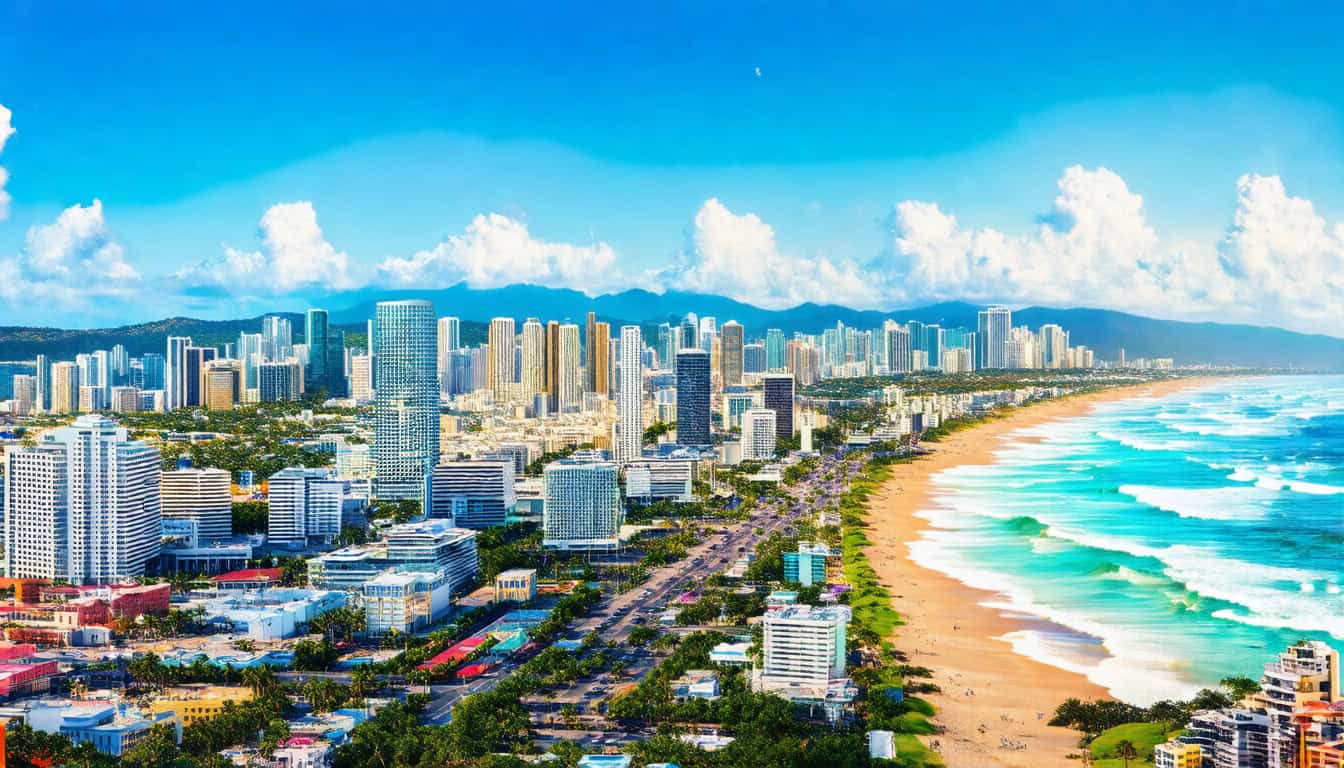
Honolulu stands out as one of the safest big cities in the United States. Located in the heart of the Pacific Ocean, this vibrant metro area houses almost a million people. Tourists from all over the world come here to enjoy its world-class surfing, delicious cuisine, and lively nightlife. Yet, beyond its picturesque beaches and towering palm trees lies a curious secret—the city ranks as the second safest large city in the U.S. Just below Virginia Beach, Honolulu’s safety record challenges many common perceptions about urban crime.
A Closer Look at Honolulu’s Safety Record
Honolulu’s crime statistics reveal almost surprising facts. The city experiences fewer than two homicides per every 100,000 residents each year. This low number compares to some European countries like Finland and stands in sharp contrast with major U.S. cities such as Philadelphia, Washington, and Chicago. Philadelphia, for example, reports around 32.7 homicides per 100,000 residents annually, which makes the chance of a murder there over 3,200% higher than in Honolulu.
The city also ranks low in robbery rates. Only about 73 robberies occur per 100,000 people, which is striking when considering hotspots like New Orleans that see a considerably higher murder rate than Honolulu’s robbery rate. However, the safety score in Honolulu changes when looking beyond violent crimes.
Property and Petty Crime: A Different Story
Though Honolulu excels in keeping violent crime low, it faces challenges with property and petty crimes. According to available data, Hawaii has a property crime rate higher than the national average. Focusing on non-violent property crimes, the state leads the nation with almost four times more incidents per person than other states. Petty crimes like pickpocketing, car break-ins, and theft from tourists appear more frequently, especially in tourist-heavy zones.
Beachgoers and visitors often fall victim to theft of unattended belongings. Rental cars get broken into with noticeable regularity. Opportunistic criminals seem to target those less cautious about securing valuables. Despite the reputation for trust and aloha spirit embraced by locals, tourists must stay vigilant, especially in crowded or popular areas.
What Makes Honolulu So Safe From Violent Crime?
Honolulu’s unique geography plays a significant role in its low violent crime numbers. Being a large island, with natural barriers like the ocean all around, makes executing certain crimes a bigger challenge, especially those involving quick escapes. Car theft, for example, becomes less tempting when robbers know that escape routes are limited by the surrounding water.
This geographic isolation acts as a deterrent, safeguarding the community by limiting access points and escape strategies for criminals. In contrast, mainland cities with straightforward access routes must rely more heavily on law enforcement and community-driven safety programs to maintain security.
Comparing Honolulu and Virginia Beach
Both Honolulu and Virginia Beach share the top spots as America’s safest big cities, yet their reasons differ considerably. While Honolulu’s safety benefits largely from its geographic isolation, Virginia Beach relies on strong community policies, effective policing, and well-implemented safety programs.
Virginia Beach’s mainland location offers various access and exit points, forces local authorities to stay alert and proactive in crime prevention. In Honolulu, while law enforcement certainly plays an important part, policing on an island presents a different scale of challenges. The ocean naturally restricts criminals’ actions, simplifying some aspects of crime prevention.
Areas to Exercise Caution in Honolulu
Despite the overall safety, visitors should take normal urban precautions, especially regarding petty crimes. Certain neighborhoods, like Chinatown, attract nightlife crowds, including drunks, which can occasionally lead to fights or disturbances. Keeping valuables out of sight and being cautious about surroundings after dark is always wise.
Tourists must avoid leaving cameras, phones, or other belongings unattended, particularly on beaches where car break-ins frequently occur. Even travel gear designed for theft prevention, like zip-it backpacks, offers limited protection when swimmers leave their bags behind in public areas.
Some areas near Daniel K. Inouye International Airport, downtown Honolulu, and Chinatown carry higher risks for petty crime after nightfall. Travelers would do well to steer clear of these spots during late hours.
Staying Safe While Enjoying Honolulu
Honolulu’s beauty and calm extend a warm welcome to millions of visitors each year. Yet, it’s essential to balance enjoyment with common-sense safety habits. Always store expensive gadgets securely or leave them at home when exploring popular attractions. Avoid flashy jewelry and maintain awareness of your surroundings.
The Hawaiian culture emphasizes trust and good faith, but it does not guarantee immunity from opportunistic criminals. Visitors who respect local advice and take precautionary measures can enjoy the city’s scenic treasures with minimal risk.
Final Thoughts
Honolulu’s reputation as America’s second safest big city stems from a blend of natural geographic barriers and effective law enforcement. Its low violent crime rate stands out when compared to many mainland cities and even some European countries. However, the city’s challenges around property and petty crime require visitors to stay alert.
As you discover Honolulu’s charms—from its surfing beaches to its bustling neighborhoods—understanding the realities of safety enriches your travel experience. With sensible precautions, the city offers a safe and welcoming environment for both residents and tourists.