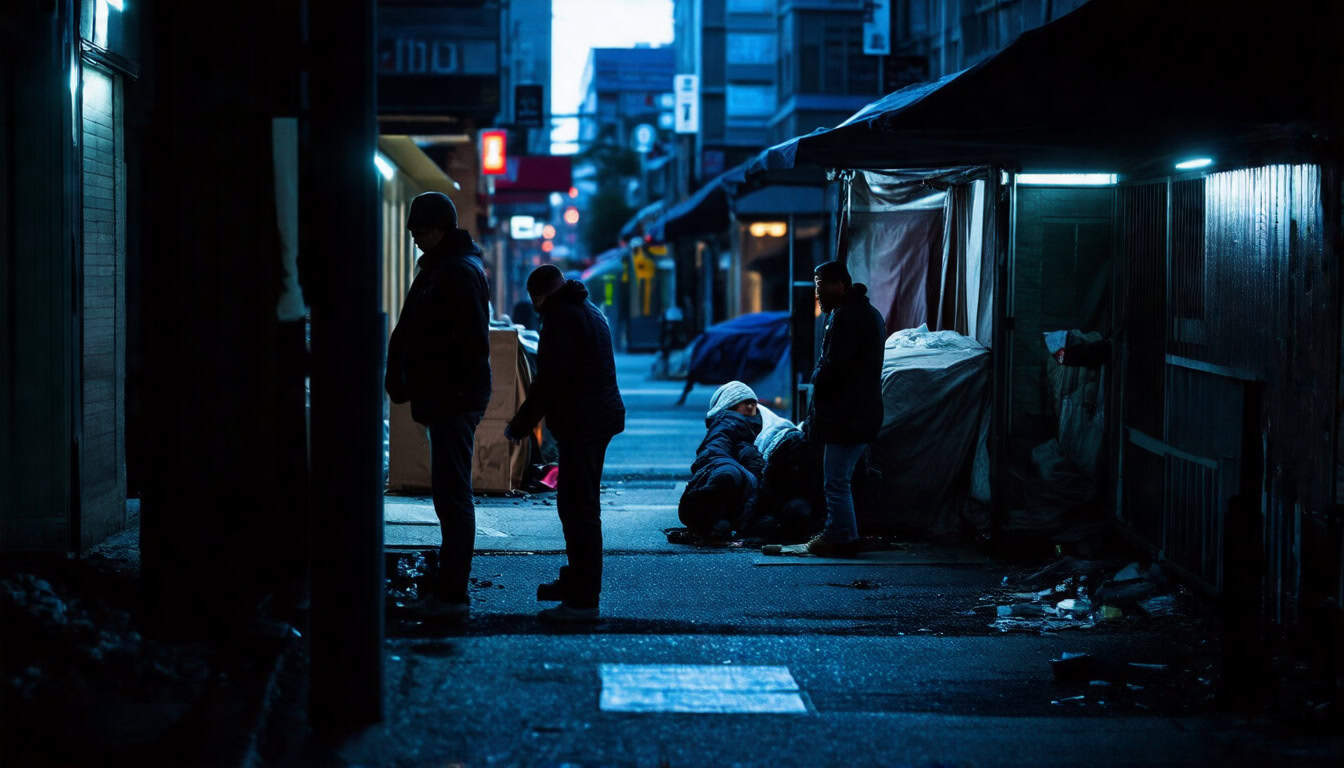
Vancouver is often praised for its stunning natural beauty and vibrant cultural scene. Its waterfront views, mountain backdrops, and mild climate attract tourists and students from around the world. Yet, beneath this surface of prosperity, the city faces serious challenges tied to drug abuse and homelessness, particularly in the East Hastings area. This part of Vancouver exposes a reality that contrasts sharply with the images often associated with the city.
East Hastings and Downtown Eastside: A Concentration of Hardship
The Downtown Eastside, with East Hastings Street at its core, stands out as an area deeply affected by social problems. Crime here runs higher than in much of Vancouver, with rates about 50% above the city average. This neighborhood struggles with homelessness, drug addiction, and violence. Businesses close, and many locals avoid the area, which often presents an apocalyptic atmosphere marked by vandalism, fires, and poverty.
In 2020, the city counted nearly 3,000 homeless individuals within Vancouver. These numbers have not been updated in subsequent years because the census efforts were canceled, but the situation clearly remains unresolved. The prevalence of drug-related crime, particularly theft connected to addiction, underlines ongoing difficulties with illicit substances within this zone.
For visitors and residents alike, caution is necessary when moving through or near this district, especially after dark. Simple safety measures such as sticking to well-lit and well-populated streets can reduce risk. It is wise to remain vigilant in public spaces and take precautions like never leaving drinks unattended to avoid issues like drug spiking.
Rising Crime Beyond East Hastings
The problems of East Hastings are not isolated. Nearby neighborhoods show rising crime rates and social distress. Mount Pleasant, for example, once a neighborhood known for its artistic flair and gentrified homes, now faces challenges due to rising property crimes. Its close proximity to Downtown Eastside makes it a magnet for individuals dealing with homelessness and drug-related issues. This mix of commercial and residential space creates an environment where theft and break-ins have increased.
Chinatown, located close to the Downtown Eastside, carries a crime rate about 58% above Vancouver’s average. This surges alongside ongoing struggles with homelessness, drug use, and mental health concerns. Tourism businesses, which previously contributed to the vibrancy of the area, now operate under the shadow of disorder and risk.
Strathcona, another neighborhood near Downtown Eastside, reports crime rates around 41% higher than the city average. Despite this, Strathcona still supports a thriving community with a lively art scene, many breweries, and restaurants. The blend of hardship and cultural vitality highlights the complex social fabric of these areas.
Patterns That Mirror Other Cities
The situation in Vancouver is reminiscent of trends seen in other North American cities such as San Francisco and Philadelphia. In these places, drug addiction and homelessness started affecting a small number of streets but then expanded to engulf larger areas. Vancouver’s Downtown Eastside serves a similar role as San Francisco’s Tenderloin district or Philadelphia’s Kensington neighborhood.
Each of these districts reveals how issues related to poverty, addiction, and crime can spread beyond their original boundaries. The growing focus of social dysfunction can strain city resources and degrade the quality of life for residents and visitors alike. The spread also complicates efforts to maintain safety and community well-being.
Community Response and Safety Measures
Local authorities recognize these challenges. The Vancouver Police Department has warned residents and visitors about rising property crime and encouraged steps to protect belongings, such as concealing valuables inside cars and parking in well-lit areas. Transit safety has also become a concern after several incidents involving passengers. Proposals include increasing security presence on public transit to help reduce crime.
Safety interventions often emphasize situational awareness and personal precautions. These include traveling in groups at night, avoiding unattended drinks, and sharing travel plans with trusted contacts. Public dialogue increasingly acknowledges the complex nature of these issues, blending law enforcement with social services.
Finding Solutions: What Can Be Done?
Addressing drug abuse and homelessness requires comprehensive approaches. Many cities struggle with the balance between enforcement, support for addiction treatment, and housing initiatives. The challenges are deeply rooted in economic and social conditions that cannot be resolved quickly.
Some international examples offer valuable lessons. One Latin American country managed to reduce homicides by more than 90% through strategies that may include community engagement, enhanced law enforcement, and innovative social programs. While the specifics are complex, successful models suggest that dramatic improvements are possible through coordinated efforts.
Applying such lessons to Vancouver could involve integrated support systems that combine prevention, treatment, and safe housing options while maintaining public safety. It requires cooperation among government, law enforcement, nonprofits, health providers, and residents.
The Path Forward for Vancouver
The contrast between Vancouver’s beauty and the struggles faced by neighborhoods like East Hastings is striking. The city’s future depends in part on how it manages this contrast. By openly tackling the issues related to homelessness and addiction, Vancouver can work toward a safer and more inclusive environment.
Residents and visitors alike benefit when communities address the root causes of crime and social hardship. Practical steps to increase security, alongside long-term investments in social support, can create more balanced neighborhoods. Vancouver’s story serves as a reminder that even cities famed for their charm have parts that merit attention and action.
Navigating the realities of East Hastings calls for awareness and empathy. It invites all who care about the city to engage with its complexities and contribute to positive change. Through patience, persistence, and collaboration, Vancouver can move toward a future where its darker corners become stronger, healthier places for everyone.