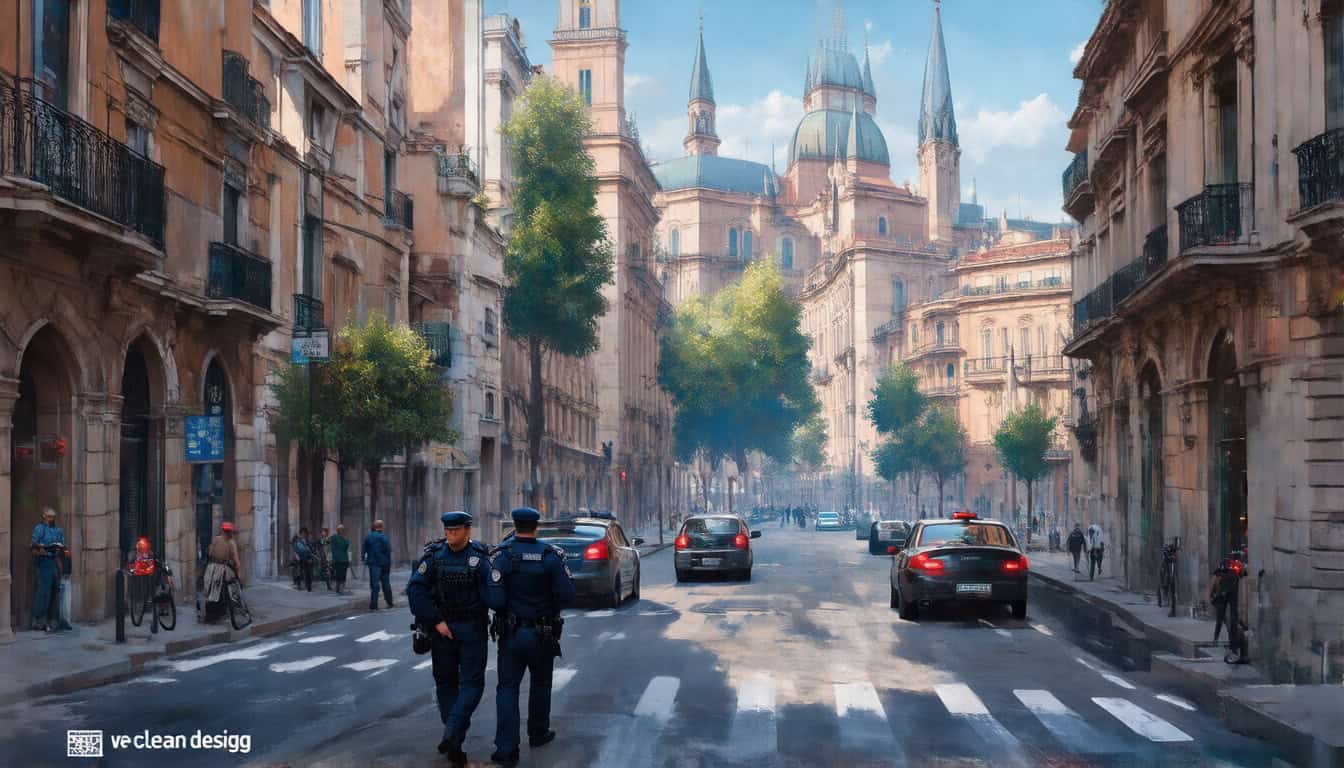
Milan sits at the heart of Northern Italy as a vibrant metropolis known for fashion, history, and innovation. While visitors often focus on its famous landmarks, cuisine, or art, safety considerations play a critical role in how one experiences the city. Examining crime patterns across Milan’s neighborhoods reveals a nuanced picture, where general impressions meet real challenges. This exploration looks closely at three distinct types of areas—those with elevated crime, well-secured districts favored by tourists, and affordable yet safe neighborhoods. By understanding these dynamics, visitors and residents can better navigate Milan’s urban landscape.
Contextualizing Milan in Italy and Europe
When compared to major European capitals like London, Paris, or Brussels, Milan shows relatively low rates of violent crime. Italy overall enjoys low homicide rates by Western European standards. The recent homicide rates in Milan stand at about one per 100,000 residents. This figure compares favorably to London’s 1.6 and several other cities with higher numbers. This low incidence suggests a basic level of personal security for residents and tourists.
However, Milan’s position within Italy is somewhat surprising. Among Italian provinces, it ranks at the top in terms of overall crime rates, particularly theft. This contrast puzzles some since southern Italian provinces, often associated with economic hardship, tend to be perceived as more prone to crime. Yet Milan surpasses them in some offenses, especially petty crimes like pickpocketing and minor thefts near tourist attractions.
Milan recorded an increase in reported criminal incidents in recent years. For example, in 2022, the city documented around 225,000 offenses, equating to roughly 6,990 crimes per 100,000 people. This number marks a rise from prior years’ statistics and points to upward trends in certain types of nonviolent offenses, such as shoplifting, vehicle theft, and low-level scams.
While violent crimes such as assault or sexual offenses exist, their frequency remains relatively low. Organized crime, though present, typically operates outside the daily experience of most visitors and residents. The risk of falling victim to violent acts in the city center or popular neighborhoods remains small.
High-Crime Neighborhoods: Areas to Watch
Not all parts of Milan share the same safety profile. Some districts along the city’s outskirts exhibit moderately higher levels of crime, often linked to economic challenges and social issues. Awareness of these zones matters for both temporary visitors and locals.
Quarto Oggiaro, once a quiet middle-class area, now confronts growing crime problems. Its isolation from the city center and struggles with unemployment have contributed to gang violence, drug trafficking, and muggings after dark. Residents and local authorities express concern about public safety declines there. Visitors should exercise caution and generally avoid that neighborhood, especially at night.
Another area with elevated crime is Giambellino, located to the south of central Milan. This district experiences crime linked mostly to organized groups rather than random acts against tourists. Its quiet streets can feel deserted, which makes it less inviting. Travelers should remain alert and avoid unfamiliar spots, particularly after sunset.
Nearby, districts such as Rogoredo and the area surrounding the Leoncavallo neighborhood also raise safety concerns. These locations suffer from tensions and criminal activity that affect local life. While they provide affordable housing options, they lack the protections and infrastructure found in more affluent parts of Milan.
Safe and Popular Districts for Visitors
On the positive side, Milan offers many neighborhoods where safety measures and community efforts maintain welcoming environments. These zones attract countless visitors every year and often come with visible law enforcement presence to deter crime.
Brera stands out as a charming artistic quarter near the city center. Its narrow streets, art galleries, and cafés create an appealing setting where visitors feel secure even at night. The neighborhood balances cultural appeal with safety, making it a favorite for those wanting to explore Milan’s authentic character.
The Quadrilatero della Moda, or fashion district, carries a reputation for luxury shopping and an upscale atmosphere. Frequented by high-end boutiques and international tourists, this area benefits from intense policing and private security. Theft rates tend to be lower due to constant surveillance and community vigilance.
Moscova, located close to the Duomo, blends accessibility and relative tranquility. This district does not overwhelm with tourist crowds, providing a relaxed experience. A few scams target unwary travelers, but violent crimes remain rare. Visitors who take normal precautions rarely encounter trouble there.
Affordable Neighborhoods That Remain Safe
Not all safe districts require a hefty budget. Milan’s Isola district recently transformed from neglected to increasingly fashionable, popular among younger locals who appreciate its authenticity and affordability. Changes over recent years have improved the neighborhood’s appeal and safety profile.
Isola offers visitors a chance to experience Milanese life beyond luxury labels without feeling at risk. Its streets now bustle with trendy cafés and community events, signaling revitalization efforts. Travelers on a budget can use Isola as a comfortable base for discovery, mindful of usual urban precautions.
Tips for Staying Safe While Exploring Milan
Beyond choosing neighborhoods, some practical strategies reduce risk when navigating Milan. Using luggage storage services helps avoid carrying valuables throughout the day. Prebooking airport transfers through vetted companies prevents exposure to scams and offers reliable transport.
Engaging knowledgeable local guides through reputable platforms enhances safety. These guides provide insights about the city while steering visitors away from questionable areas. Organized walking tours deliver efficient, secure ways to explore Milan’s history and culture.
Remaining aware of one’s surroundings at all times is essential in Milan, as in any major city. Crowded public transport and tourist spots attract pickpockets, making vigilance necessary. Avoiding poorly lit streets or empty blocks after dark further reduces potential dangers.
Overall Assessment
Milan’s reputation for crime forms a mixed picture. While it suffers elevated numbers in theft compared to other Italian cities, violent crime is rare, particularly in centers popular with tourists. The city functions on a safety level similar to many other major European metropolises.
Knowledge about where higher-risk neighborhoods lie allows residents and visitors to make informed choices. Avoiding specific outskirts reduces exposure to crime, while staying in central, monitored areas enhances the experience. Affordable neighborhoods like Isola provide alternatives without compromising security.
Travelers who adopt sensible habits, plan logistics in advance, and respect local advice will likely find Milan a safe place to enjoy. The city’s rich cultural offerings and modern energy can be accessed with confidence when equipped with this understanding of its safety landscape.