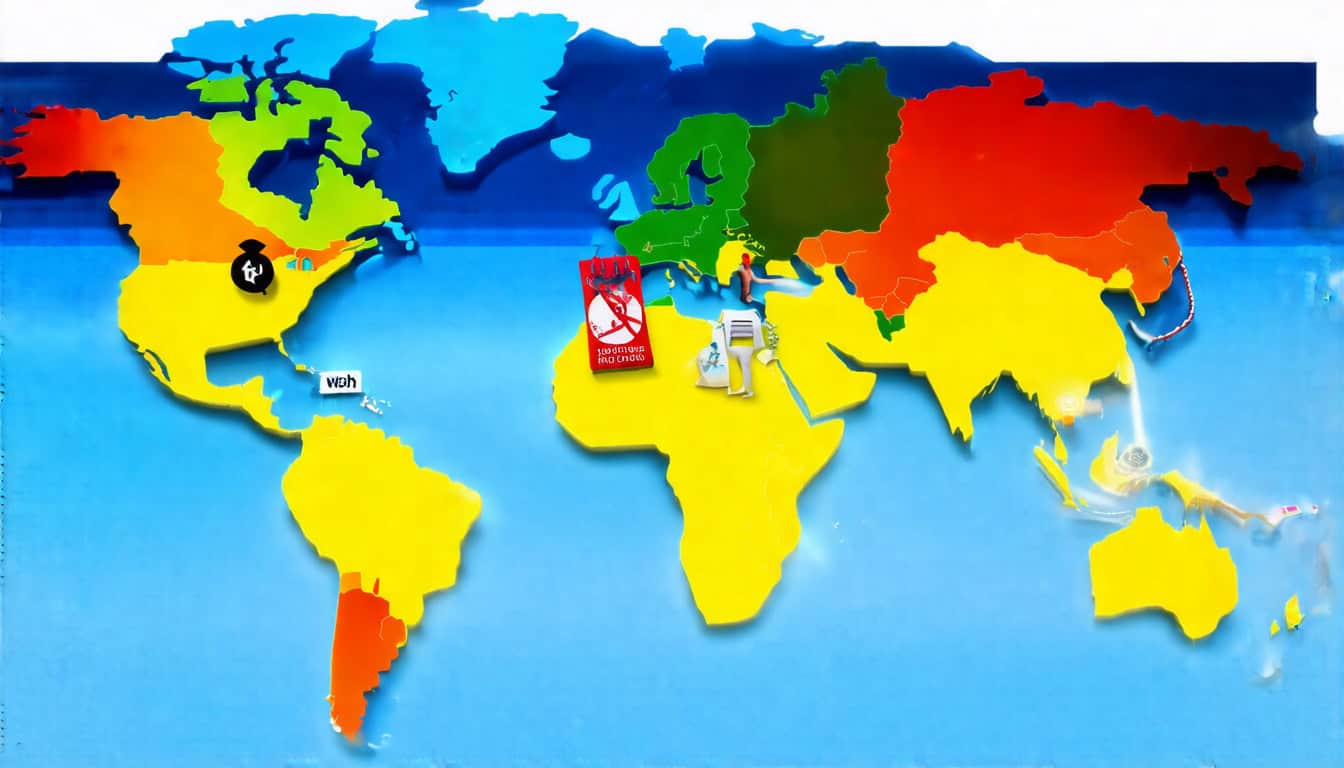
Work-life balance remains a vital topic across the globe. Though many dream of a lifestyle where work fits comfortably alongside personal time, some countries face striking challenges in achieving this balance. This article dives into the seven nations with the toughest work-life balance, based on data from the Organization for Economic Cooperation and Development (OECD). These findings reveal how cultural, economic, and social dynamics shape people’s daily lives in these countries.
How Work-Life Balance Is Measured
The OECD, a coalition of mostly Western countries, studies various economic and social statistics. To gauge work-life balance, it considers two main indicators.
The first indicator measures the time spent on personal care and leisure. This category includes sleeping, eating, hobbies, socializing, and exercising. These activities represent the non-work hours that people dedicate to themselves.
The second indicator tracks the share of employees working very long hours. Specifically, it looks at workers who log 50 hours or more each week. These long hours often reduce time available for rest and personal activities.
By combining these two measures, the OECD creates an accurate picture of how much free time people genuinely enjoy and how widespread overwork is.
Seven Countries with the Worst Work-Life Balance
The following seven nations rank worst according to this combined measure, starting from the seventh and moving upward.
- Australia
Australia, known for its outdoor lifestyle and natural beauty, surprisingly ranks seventh. Australians spend on average only 14.4 hours per day on leisure and personal care, below the OECD average of almost 16 hours. About 12.5% of Australian workers clock in very long hours of 50 or more each week. Another notable issue is that many Australians do not fully use their vacation days, averaging 16 unused days yearly. This tendency results in widespread burnout and limits the enjoyment of their famously relaxed environment.
- Israel
Israel comes next, with slightly less leisure time than Australia, averaging 14.3 hours daily. About 14.1% work long hours regularly. Surveys show that many Israeli employees feel satisfied with their work-life balance. Yet, there is a strong culture of working even when sick and limited flexibility for remote jobs. Together, these factors create stress in a country known for innovation and dynamic industries.
- South Korea
South Korea’s situation appears even more intense. Leisure time sits around 14.8 hours per day, but nearly one in five workers—19.7%—work at least 50 hours weekly. The long hours extend beyond office work to demanding socializing after hours and lengthy commutes, which erode personal time further. This imbalance links to social issues, including declining birth rates, reflecting how work pressures affect family life and society overall.
- South Africa
South Africa’s challenges differ somewhat from other countries. Here, the average leisure time is about 14.2 hours each day. However, work-life imbalance stems largely from low workforce productivity. Employees must spend longer at work to reach targets because skills are lacking, business costs run high, and competition remains limited in many sectors. These inefficiencies also connect to an education system that falls behind many peer nations, contributing to workforce difficulties despite South Africa’s rich natural and cultural resources.
- Japan
Japan often brings to mind the word “karoshi,” meaning death from overwork. In this nation, people have around 14.1 hours daily for leisure. Nearly 15.7% regularly work very long hours. Efforts in recent years aim to reverse these trends. The Work Style Reform Bill, initiated under the late Prime Minister Shinzo Abe, aims to ease overwork. The bill sets work hour limits, expands flexibility, and mandates that workers with at least ten days of annual leave must take five days off. Still, deeply rooted work habits and cultural expectations make change gradual.
- Turkey
Turkey follows with some 14.6 hours per day dedicated to leisure. Yet a substantial 25% of employees endure very long workweeks of over 50 hours. The country faces notorious traffic jams and extended commutes, especially in major cities like Istanbul, which add to work-life tension. This long work culture raises concerns for healthcare and other sectors, even as Turkey gains a reputation in medical tourism. Balancing work demands with personal well-being is a tough challenge here.
- Mexico
Mexico ranks worst for work-life balance among the countries studied. Just 13.5 hours per day go to leisure and personal care—the lowest figure of all seven. A staggering 27% of workers spend over 50 hours weekly at work. Mexicans also have some of the longest annual work hours globally, totaling 2,137 hours per year. Lunch breaks average only 30 minutes, offering scant relief during the day. These factors combine with worries over urban safety and street violence, contributing to a stressful daily life.
Striking Paradoxes and Shared Themes
Some of these countries hold sharp contrasts. Australia, home to beach vacations and open spaces, struggles with workers too busy to enjoy those benefits fully. Japan pushes reforms but continues to fight entrenched overwork culture. South Africa’s problems arise largely from systemic inefficiencies rather than outright long hours. While each country’s story differs, common threads emerge. Economic pressure, social expectations, and cultural norms shape work habits and personal time limits.
Learning from Difficulties
Awareness of these challenges highlights why work-life balance needs constant attention. Many residents in these seven countries crave more time for family, self-care, and relaxation. Governments and employers play a role by encouraging reasonable hours, flexible work, and use of vacation time. Public discussion also helps shift cultural views that equate long hours with loyalty or success.
As global work patterns evolve with technology and changing economies, the hope is that people everywhere will find better balance. A healthy work-life balance supports not only individual well-being but also stronger families, communities, and economies.
The data from OECD offers a foundation to understand where difficulties are most acute. Watching how these nations respond may give ideas for other countries facing similar pressures. Meanwhile, individuals considering job offers or moves should weigh these factors carefully.
By looking closely at these seven nations, the complex puzzle of balancing work and life worldwide becomes clearer. This knowledge can guide efforts toward more sustainable, fulfilling lifestyles.
Exploring More
For those interested, there are videos discussing the best countries for work-life balance and travel guides to help choose rewarding destinations. Understanding both the struggles and successes worldwide provides a fuller view of life’s many demands and pleasures.
Ultimately, finding time for oneself remains a universal goal, even when work weighs heavily.