Exploring the Shifts in Lisbon: Unraveling the Mystery Behind Portugal’s Capital and Its Safety Today
Portugal stands out on global peace rankings, often placed among the safest countries worldwide. Yet, it holds an unexpected position in Europe for having a high rate of robberies. This curious balance challenges assumptions about safety in the country’s capital, Lisbon. While violent crimes like homicides and kidnappings remain low, some forms of crime show a different story. Examining Lisbon’s safety today reveals a patchwork of secure and risky spots, shaped by shifting social factors and local dynamics.
Portugal ranks among the most peaceful nations in terms of major crimes. However, when focusing on robbery rates, it ranks fourth highest in Europe, trailing behind Spain, Belgium, and England. This contrast raises questions about how crime distributes across the country. A closer look points to a crucial detail: robberies in Portugal are not spread evenly. Instead, they concentrate in a few specific regions. This uneven distribution makes Portugal’s crime profile very different from places like the Netherlands or England, where robbery rates tend to impact broader areas more evenly.
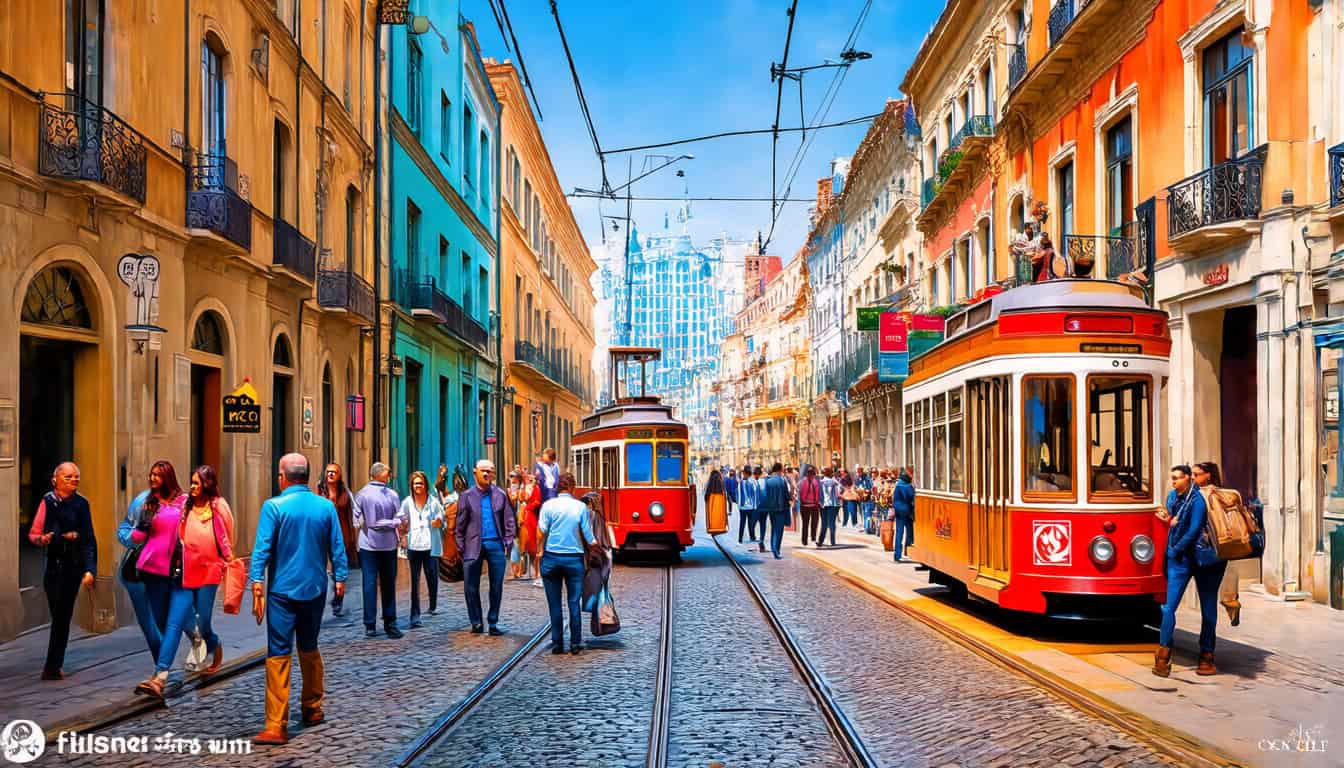
Lisbon, the capital, illustrates this pattern well. Despite facing some of the highest robbery rates in Europe, many visitors and residents rarely feel unsafe. The reason lies in the concentration of crime in small parts of the city, while other districts remain calm and secure. This geographic clustering shapes everyday experiences and influences how safety feels for those moving around the city.
Four areas stand out as places in Lisbon and its outskirts with higher risks for theft, pickpocketing, and other crimes. Understanding these zones and their contexts offers insight into Lisbon’s safety today and points to practical tips for travelers.
The first area includes Intendente and Anjos, two neighborhoods that border each other and share common challenges. Both have undergone some revitalization and attract newcomers, including many immigrants and transient populations. At the same time, these districts hold pockets of poverty, homelessness, and neglected buildings. Such conditions connect to higher rates of petty theft and drug-related activities. Among local landmarks, Martim Moniz Square is known as a hotspot where pickpocketing frequently happens. These neighborhoods require heightened awareness, especially since many crimes target tourists and women. Being watchful in crowded spaces and avoiding displays of valuables can reduce risk.
To the east of Lisbon lies Chelas, a sprawling suburb with mixed residential areas. Parts of Chelas consist of social housing projects blending with newer developments. While much of Chelas feels ordinary, some pockets raise safety concerns due to ongoing gang activity. Foreign criminal networks, including groups from South America, maintain operations here. This presence contributes not only to theft but also to other types of crime that might prove unsettling to outsiders. Travelers passing through Chelas benefit from sticking to well-lit, busy routes and avoiding isolated streets after dark.
Nearby, in the Lisbon metropolitan area, Odivelas has also experienced crime issues in certain sectors. Similar to Chelas, the district shows a mix of safer and more problematic spots. Visitors unfamiliar with local nuances should take care in unknown neighborhoods and seek advice from locals or trusted sources before exploring.
Further out lies Cova da Moura, a neighborhood technically belonging to the city of Amadora, on Lisbon’s outskirts. It stands apart for its reputation as one of the city’s most troubled areas. Cova da Moura’s history includes waves of immigration in the late 20th century, challenging economic conditions, and social marginalization. Residents report that violence and crime were prevalent during its earlier days. Stories reflect dangerous streets once ruled by gangs, along with hardships linked to poverty and neglect. While conditions may have changed over time, Cova da Moura still carries a stigma for violence. Even locals who grew up near the area describe it as a rough place, emphasizing the distance between it and Lisbon’s tourist-friendly zones.
These varied districts share common threads: economic hardship, long-term neglect, and the social pressures that come with rapid demographic changes. In such places, petty crime and theft become daily struggles for many residents and risks for visitors. Yet these neighborhoods also show signs of resilience, with community projects and urban renewal efforts working to improve quality of life.
Understanding where risks concentrate allows visitors to navigate Lisbon more safely. Simple precautions can make a big difference. For short stays, it helps to avoid carrying expensive items openly. Using luggage storage services across the city frees tourists from juggling bags while exploring, reducing opportunities for theft. Arranging transportation ahead of time, especially from airports or train stations, removes the chance of falling prey to scammers or petty criminals. Booking reliable transfers ensures a safer start and end to any trip.
Exploring Lisbon remains a rewarding experience, as many parts retain charm, history, and a welcoming feel. Tourist areas, well-maintained neighborhoods, and lively cultural centers appear safe for most visitors. Paying attention to warnings about specific zones adds a layer of security without limiting enjoyment.
In summary, Lisbon reflects a complex safety landscape shaped by local conditions and social shifts. While crime rates in certain districts stand out, they do not define the entire city’s atmosphere. Travelers can move freely and confidently by knowing which areas call for caution and by following practical safety tips.
By mapping the city’s challenges alongside its inviting features, visitors gain a balanced picture of Portugal’s capital and its current realities. This clarity helps people plan better and experience Lisbon without unnecessary worry, revealing the rich layers beneath its surface.