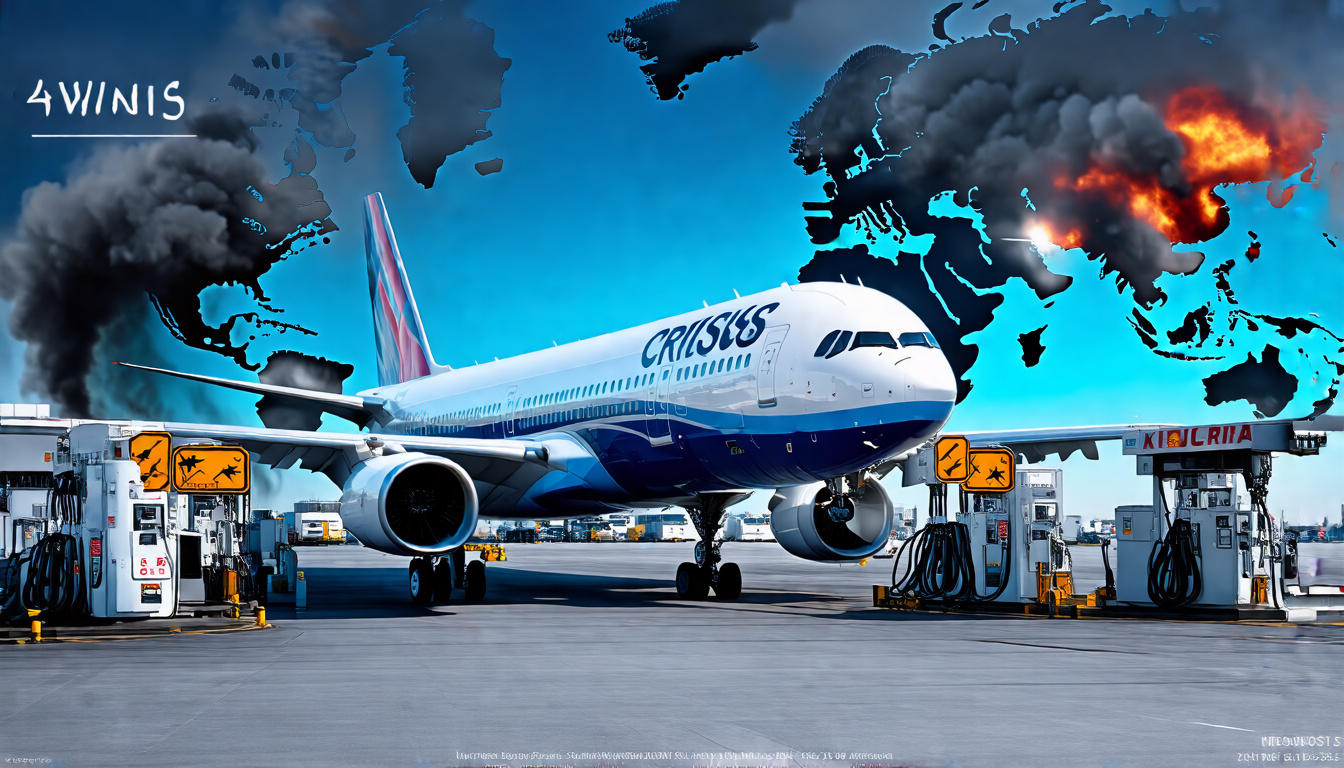
Europe Faces Jet Fuel Shortage Amid Iran Conflict
Europe is facing a jet fuel shortage this spring, which could disrupt summer travel plans. The shortage stems from the war in Iran, particularly after U.S. and Israeli strikes in late February led to the closure of the Strait of Hormuz. This key waterway has remained mostly closed to oil exports since then, sharply cutting the global oil supply and pushing prices higher.
Jet Fuel Supplies Drop in Europe
The International Energy Agency (IEA) warned that Europe’s jet fuel supplies are running low. Unlike the United States, which produces most of its jet fuel domestically, many European countries rely on oil passing through the Strait of Hormuz. The closure has reduced oil flow and caused a significant jet fuel shortfall.
IEA executive director Fatih Birol told the Associated Press that Europe could run out of jet fuel in about six weeks if the strait does not reopen soon. With the summer travel season approaching, airlines may struggle to maintain schedules. Flight cancellations could become widespread. Airlines already raised fares, and some have started canceling flights.
U.S. Travel Impact and Responses
In the United States, jet fuel supplies are stable since production mostly occurs within the country. However, rising oil prices have pushed up travel costs. Major U.S. airlines, including Alaska Air, American Airlines, and Delta, have increased baggage fees amid these cost pressures.
The European Union is exploring purchases of U.S. jet fuel to ease the shortage. The EU also considers measures to share existing fuel supplies among member nations to manage the crisis.
Broader Economic Effects
The jet fuel shortage highlights the wider economic damage caused by the conflict in Iran. If the Strait of Hormuz remains closed, global economic growth and inflation could suffer, said Birol. The war’s effects reach beyond travel costs, potentially increasing poverty in developing nations due to higher energy and food prices.
A ceasefire recently began, but Iranian officials have yet to agree to further peace talks. The longer the conflict continues, the more pressure it will place on global markets and consumers worldwide.
Travelers and observers should monitor developments closely, as the situation could affect flight availability, ticket prices, and broader economic stability in the months ahead.
#internationaltravelnews #latesttravelrestrictions #globaltravelupdates #travelnews2025 #internationaltraveltips #travelnews #internationaltravelnews #borderreopeningupdates #traveladvisoryupdates #flightcancellationsnews #covidtravelregulations #visapolicychanges
#internationalairportupdates #passportrenewaldelays #countryentryrequirements #travelsafetynews #internationaltraveltrends #travelalertscountry #globaltourismnews #newtravelbans #reopeningfortourists #bestcountriestovisitnow #travelinsurancenews #travelguidelinechanges #airlinestrikeupdates #globaltraveldisruptions #breakingtravelnews #notesttraveldestinations #internationaltravelforecasts #newairlineroutes #globaltravelrules #safestplacestotravel #travelindustrynews #travelbanupdates #schengenvisaupdates #travelbubbleannouncements #tourismboardupdates #realtimetraveladvisories #borderchanges2025 #embassytravelalerts #latesttravelnews #livingmediterranean #retirementtravelguide