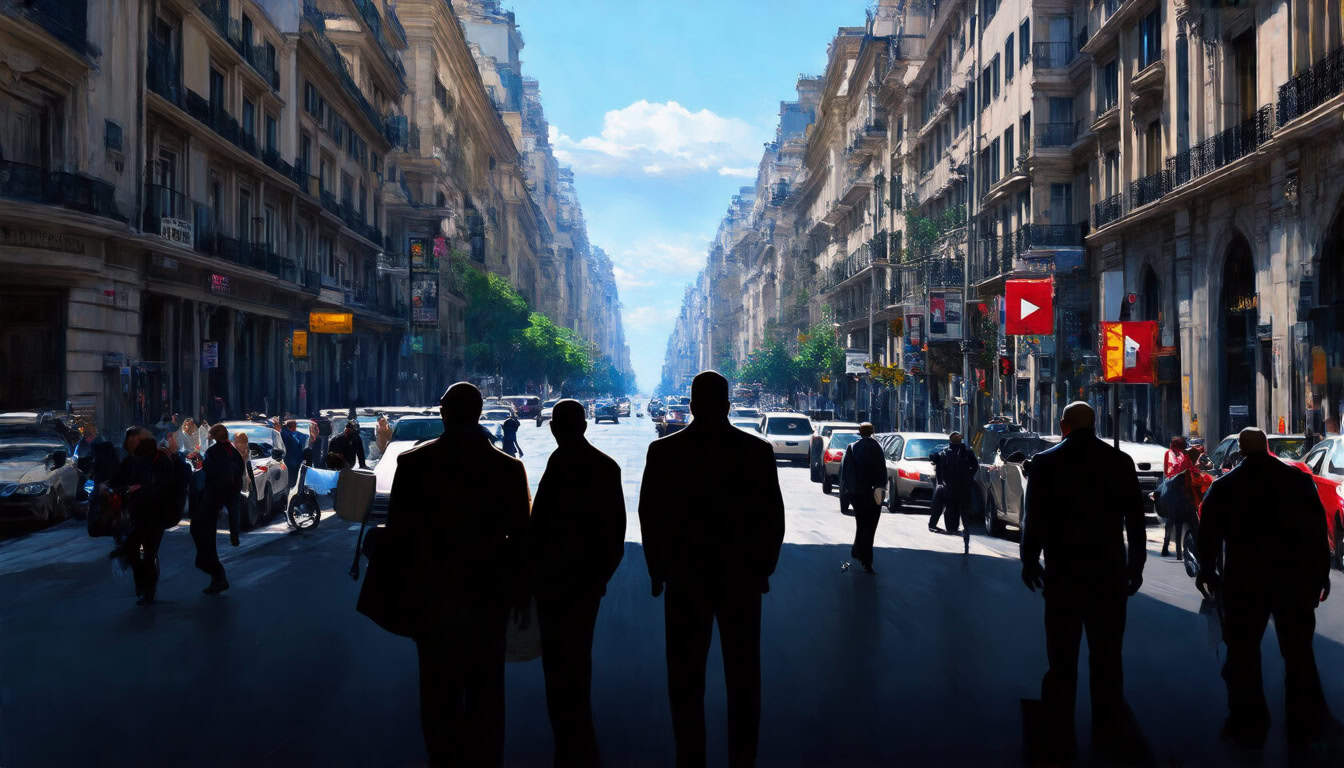
Madrid stands as Spain’s capital and largest city. It holds a reputation as a relatively safe city compared to other capitals in Europe. Spain itself ranks among the safer countries in the region with low homicide rates compared to places like Sweden or France. However, this safety image is now facing a challenge. Recent years have witnessed a steady rise in gang-related violence in Madrid. This article examines the emerging patterns of criminal behavior, the districts most affected, comparisons with other cities, and practical advice for visitors to maintain safety.
Madrid’s Current Safety Landscape
Despite the rise in gang activity, Madrid remains safer than most cities in Europe. Spanish authorities point out that provinces with the highest homicide rates are located far from Madrid, in autonomous cities of Ceuta and Melilla on the African continent bordering Spain; these areas have homicide rates several times higher than Madrid’s. For comparison, crimes in Madrid are lower than in many places, including Swedish cities like Stockholm or French urban centers.
Still, the trend in Madrid has shifted recently. The Supreme Spanish police and criminologists have documented growing gang membership, especially among younger individuals. There is evidence that some gangs recruit members as young as 12 years old. The pattern mirrors broader issues affecting urban areas in various parts of Europe and beyond.
Gangs Operating in Madrid
Madrid’s gangs have increasingly taken on structures and behaviors similar to notorious criminal organizations in Latin America and the United States. The city hosts several active groups, such as the Dominicans D Play (DDP), Trinitarios, Blutes, and the infamous Mara Salvatrucha (MS13). The last, known worldwide for violent dealings in the United States, has a notorious reputation for causing violence and trafficking drugs.
Official reports highlight that these gangs have well-defined hierarchies. The leadership includes a top figure known as the Supremo who commands overall strategy. The second-in-command is the Anael, acting as a lieutenant assisting the Supremo. The enforcer serves as the third in rank and maintains discipline within the group. Members sometimes receive permission to move between neighborhoods only through enforcer approval.
The escalation of gang violence has led to turf wars in several areas of Madrid. These fights often involve severe violence and have resulted in fatalities. One of the principal affected areas is the district of Vallecas, known locally as Kachel, where violent clashes have become more frequent.
Authorities have intensified efforts to curb gang activities, with arrests of several members of prominent gangs and the dismantling of multiple bases in the Greater Madrid area. One such bust took place in the Hinatas corridor, a known hub for gang operations.
Districts to Watch and Areas to Avoid
Violent crime remains concentrated predominantly in the southern zones of Madrid. Those unfamiliar with the city may want to steer clear of certain districts. Areas like Villaverde, San Cristóbal de los Ángeles, Puente de Vallecas (which includes Kachel), Carabanchel, and Usera have reported rising violence related to gang conflicts.
Some parts of Carabanchel near the airport and the quarters of Cuatro Vientos and Casarrubuelos are better avoided especially at night due to increased reports of criminal activity.
Unlike the common expectation that wealthier neighborhoods would be the safest, Salamanca stands out as one of Madrid’s most affluent districts, yet it holds some of the highest crime reports in the city. Most crimes there are property-related, such as burglary and theft, rather than violent confrontations or drug-related offenses.
Safe Neighborhoods for Visitors
Visitors looking for safe and vibrant neighborhoods in Madrid need not worry about the entire city’s safety. Several districts offer a pleasant stay, vibrant culture, and minimal risk. Malasaña is an example of a popular neighborhood centrally located and lively with bars, shops, and museums, favored by young professionals and students.
Other recommended areas include Moncloa, Ministerios, and Argüelles. These districts offer good connectivity to transport and have a stable safety record. The Barrio de las Letras (Literary Quarter) holds cultural significance and good security, making it a suitable area for visitors interested in the city’s literary heritage.
Comparisons with Other European Cities and Barcelona
Both Madrid and Barcelona enjoy reputations as relatively safe European cities. When compared to Barcelona, Madrid generally reports lower overall crime rates, especially concerning specific offenses like theft. While Madrid has experienced a rise in violent crimes such as assaults and robbery, Barcelona tends to report higher total crime figures.
In relation to cities like Stockholm, Madrid remains much safer overall. Stockholm has seen a more significant increase in gang-related violence and associated crimes, which has drawn more considerable public concern.
Tips for Staying Safe in Madrid
Travelers to Madrid can enjoy their visits while taking sensible precautions. Here are some suggestions for maintaining safety:
-
Avoid carrying large bags or valuables while walking in crowded areas. Reliable luggage storage services exist, allowing visitors to store bags safely and explore the city hands-free.
-
Book skip-the-line tickets for popular museums and tourist attractions. Long queues can lead to unsafe congestion, and pre-booked tickets improve convenience.
-
Arrange transfers in advance from the airport or train stations. Peripheral zones, especially around Cuatro Vientos airport, have higher crime risk. Pre-booked transportation avoids potential scammers or dangerous encounters.
-
Stay within well-known neighborhoods recommended for visitors and avoid walking alone at night in less secure areas.
Emerging gang activity in Madrid requires attention, but cautious visitors can explore the Spanish capital with confidence. The city continues to offer cultural richness, historic sites, and vibrant neighborhoods. Being aware of risk zones and following practical security measures enable most travelers to enjoy their trips safely.
Madrid faces challenges familiar to many urban centers, yet remains a city of opportunity and heritage. Authorities continue to work on limiting gang influence and violence. Visitors informed about the situation can take advantage of Madrid’s many attractions while staying alert to safety concerns.